
How to Market Your Small Business: A GEO‑Strategic Guide

Updated: Jul 10
1. Build a Solid Marketing Foundation
A well‑planned marketing strategy keeps you on budget and on schedule. Start by defining these core elements:
Target market: Know the demographics, behaviors and trends in your geographic area sba.gov. Are you serving a small town like Bethania, NC, or a larger metro area? Identify your ideal customer and where they spend time.
Competitive advantage: What makes your business stand out locally? It could be superior quality, eco-friendly products or exceptional service sba.gov.
Sales plan and goals: Decide how you’ll sell (retail, online, local markets) and set goals that are Specific, Measurable, Achievable, Relevant and Time‑bound uschamber.com.
Budget and action plan: List the channels you’ll use (local ads, community events, social media) and determine how much you can spend each month uschamber.com. Include a breakdown of costs sba.gov.
2. Local & Community Marketing
Local marketing tactics help you build relationships in your immediate area:
Host events and pop‑ups: In‑store parties, product previews or pop‑up shops create excitement and encourage word of mouth uschamber.com.
Engage with the community: Collaborate with neighboring businesses for cross‑promotions or co-hosted events uschamber.com. Sponsor local teams or festivals to get your name in front of residents uschamber.com.
Referral and loyalty programs: Encourage happy customers to refer friends with incentives, and reward repeat business to build loyalty uschamber.com.
Limited‑time promotions: Offering a discount for local customers or a “shop local” day can drive foot traffic and create urgency uschamber.com.
3. Digital Fundamentals With a Local Focus
Even if your customers live around the corner, they still search online. Make sure your digital presence reflects your geographic focus:
Mobile‑friendly website: A fast, secure site showcases your products or services and makes it easy for people to buy uschamber.com.
Local SEO: Use location‑based keywords like “Bethania bakery” or “Winston‑Salem lawn care.” Include your address and phone number on every page. Optimize your content for keywords that local customers actually search for seo.com.
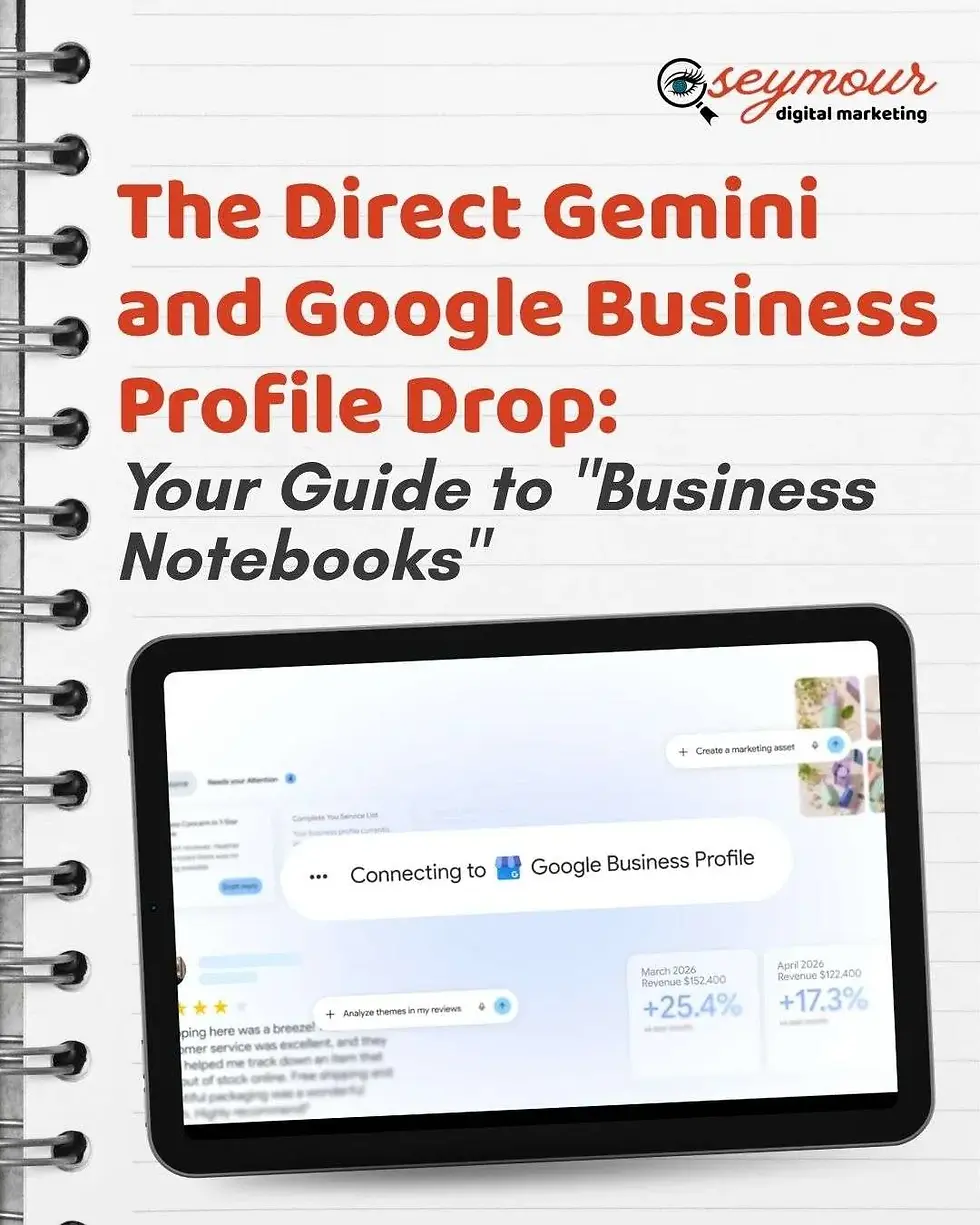
Google Business Profile: Keep your hours, address and photos updated on Google. Respond politely to reviews (even negative ones) and answer common questions constantcontact.com.
Blog and content marketing: Create useful content (such as guides on local gardening or tips for downtown parking) that positions you as a neighborhood expert. High‑quality posts targeting local search queries can generate consistent traffic blog.hubspot.com.
Email marketing: Build an email list and segment it by location or interests. Personalized emails can yield a strong return on investmentconstantcontact.com.
4. Social Media & Outreach
Not every social platform suits every business. Focus on those where your local audience is active:
Pick one or two platforms: Engage consistently on the platforms your customers use rather than spreading yourself too thin uschamber.comconstantcontact.com.
Share local stories: Post photos from community events, highlight local partnerships, and share testimonials. Social proof builds trust constantcontact.com.
Short‑form video: Use Instagram Reels, TikTok or YouTube Shorts to showcase behind‑the‑scenes glimpses, neighborhood tours or quick how‑to tipsconstantcontact.com.
5. Use AI and Automation Wisely
Artificial intelligence can save time and enhance your marketing:
AI content generation: Tools like ChatGPT can draft emails or social media posts quickly. Always fact‑check and edit to ensure accuracy and authenticity constantcontact.com.
Chatbots: An AI chatbot on your website can answer common local questions, such as directions to your store or service availability constantcontact.com.
6. Measure and Adjust
Track your marketing ROI to see what’s working. Use metrics like conversion rate, cost per lead and customer acquisition cost uschamber.com. If your community event brought in lots of new customers, do more of that. If a social platform yields little engagement, shift your focus.
7. Stretch Your Budget
Marketing on a budget doesn’t have to feel limiting:
Use free tools: Canva for design, Buffer for scheduling and Ubersuggest for keyword ideasconstantcontact.comconstantcontact.com.
Collaborate with neighbors: Partner with complementary businesses for giveaways or joint promotionsconstantcontact.com.
Repurpose content: Turn a blog post into an Instagram carousel or a local newsletter. Repurposing content multiplies your reach without extra costconstantcontact.com.
Marketing a small business in a specific geographic area requires a blend of community engagement and smart digital tactics. By understanding your local audience, leveraging local SEO and building authentic relationships, you’ll create a marketing engine that resonates with nearby customers and drives sustainable growth.


Comments