
Local SEO Guide: Boost Your Business in 2025

Updated: Jul 10
What is Local SEO?
Local SEO (Search Engine Optimization) is the practice of optimizing your online presence to attract more business from relevant local searches on Google and other search engines. These searches occur when users look for products or services near them, often including terms like "near me" or specifying a location such as Mt Airy, North Carolina.
With the digital landscape becoming more competitive, businesses must understand how to leverage local SEO strategies to stand out. Whether you own a small café, a legal firm, or a multi-location franchise, local SEO can significantly enhance your visibility within your community, including specific areas and nearby regions.
Why Local SEO Matters in 2025
In 2025, the importance of local SEO has grown due to several key trends:
Voice Search Dominance: With smart speakers and voice-activated devices becoming mainstream, people increasingly use voice search to find local businesses. Optimizing for conversational queries like "best coffee shop in Mt Airy" is now essential.
Mobile-First Indexing: As mobile usage surpasses desktop, Google prioritizes mobile-friendly websites. Ensuring your site is responsive and fast-loading is crucial for local SEO success.
Hyper-Personalization: Search engines are leveraging AI to deliver hyper-localized results based on user behavior, preferences, and real-time location data, especially in specific regions.
Staying ahead of these trends can help your business appear in the right searches at the right time.
Key Components of a Successful Local SEO Strategy
1. Google Business Profile Optimization
Your Google Business Profile is the cornerstone of local SEO. To optimize it:
Ensure your business name, address, and phone number (NAP) are accurate and consistent, especially if you're targeting local customers.
Select the appropriate business categories to help Google understand your offerings.
Add high-quality photos and videos showcasing your products, services, and location.
Regularly post updates, offers, and events to engage with your audience.
Encourage satisfied customers to leave positive reviews, and respond to them professionally.
Needing help with your GBP marketing, let us help! Schedule your 30-minute FREE consultation to see how we can enhance your Google Business Profile today.
2. Local Keyword Research
Identifying the right local keywords is vital. Use tools like Google Keyword Planner or SEMrush to find terms people in your area search for. Focus on:
Geo-specific keywords (e.g., "best coffee shop downtown" or "family dentist near me").
Service-related keywords (e.g., "emergency plumber near me").
Long-tail keywords that capture specific user intent (e.g., "affordable wedding photographers in Surry County").
Incorporate these keywords naturally into your website content, meta descriptions, and blog posts to reach potential clients in your area.
3. On-Page SEO for Local Relevance
Optimize your website’s on-page elements to boost local search visibility:
Include your city and region in title tags, meta descriptions, headers, and content.
Create location-specific landing pages if you serve multiple areas.
Add an embedded Google Map with your business location on your contact page.
These efforts help search engines connect your website to local search queries effectively.
4. Citations and Directory Listings
Ensure your business is listed on reputable online directories like Yelp, Yellow Pages, and industry-specific sites. Key tips:
Maintain consistent NAP information across all platforms.
Choose directories with high domain authority for better SEO impact.
Regularly audit your listings to correct any discrepancies.
This consistency signals to search engines that your business is credible and well-established.
5. Local Link Building
Earning backlinks from local websites enhances your site’s authority. Strategies include:
Partnering with local influencers, bloggers, and news outlets for collaborations.
Sponsoring community events or charities and requesting links from event pages.
Writing guest posts on local business blogs.
Quality local backlinks can significantly boost your search rankings.
6. Mobile Optimization
Since most local searches happen on mobile devices, ensure your website is:
Responsive and adapts seamlessly to different screen sizes.
Fast-loading to reduce bounce rates.
Easy to navigate with click-to-call buttons for immediate contact.
Mobile optimization improves user experience and helps your site rank higher in mobile search results.
7. Customer Reviews and Reputation Management
Online reviews influence local search rankings and customer decisions. To manage your reputation:
Proactively request reviews from happy customers.
Respond promptly and courteously to all reviews, addressing concerns constructively.
Highlight positive testimonials on your website and social media.
A strong review profile builds trust with both search engines and potential customers.
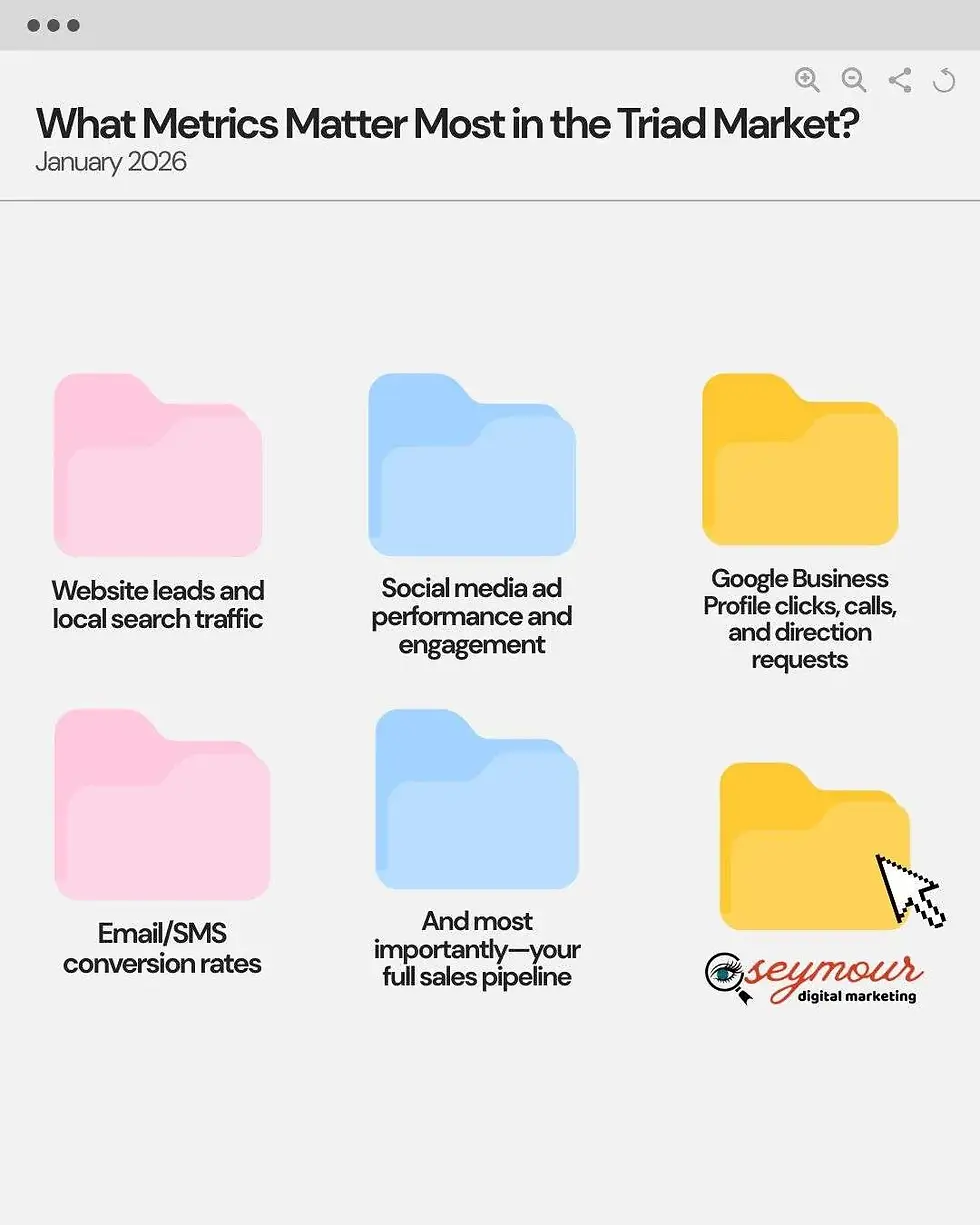
Measuring Local SEO Success
Track your progress using tools like:
Google Analytics: Monitor website traffic, user behavior, and conversion rates.
Google Search Console: Analyze search performance and identify optimization opportunities.
Local SEO tools like Moz Local or BrightLocal to track rankings and manage citations.
Regular analysis helps you refine your strategy and achieve sustained growth.
Conclusion
Mastering local SEO in 2025 is key to attracting more customers, building brand authority, and staying ahead of competitors. By optimizing your Google Business Profile, targeting local keywords related to your area, earning quality backlinks, and fostering strong customer relationships, you can ensure your business thrives in the local search landscape.


Comments